Tracking Player Behavior Metrics Behind Time-Sensitive Reward Releases in UK Mobile Gaming Apps
Casey Neumann · Aug 31, 2026
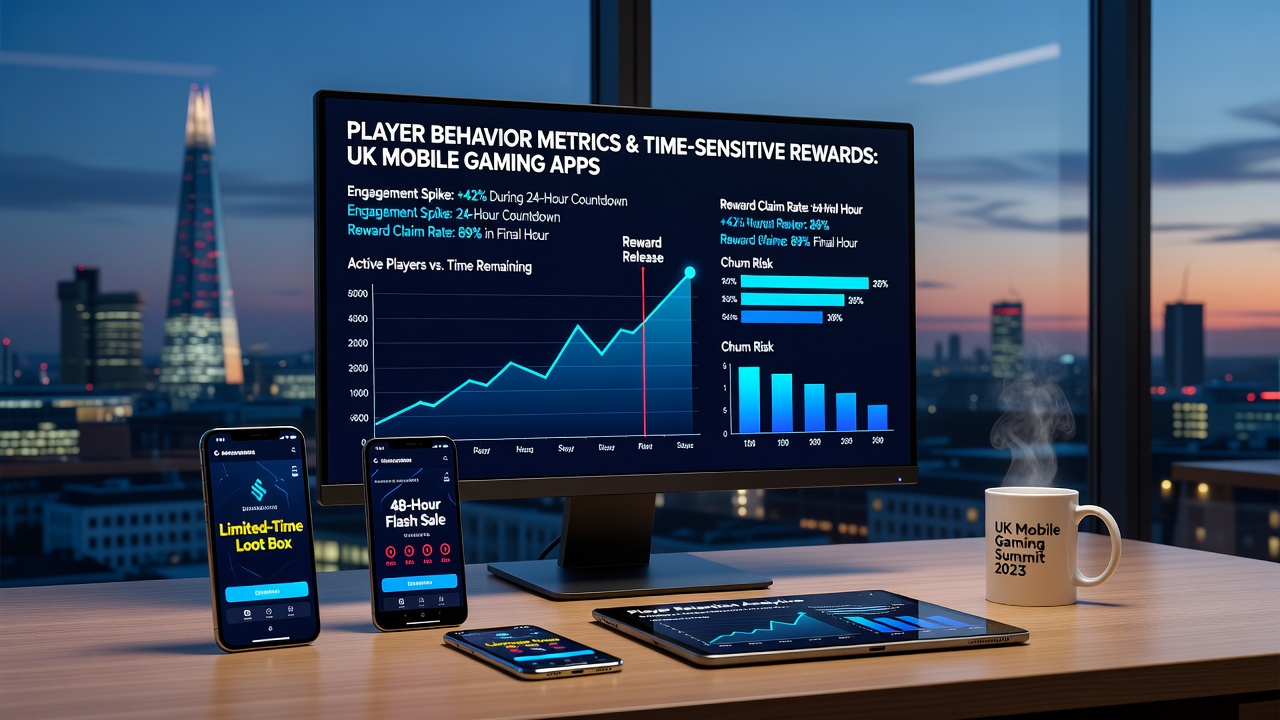
Tracking Player Behavior Metrics Behind Time-Sensitive Reward Releases in UK Mobile Gaming Apps
Data collection systems in UK mobile gaming apps monitor login frequencies, session durations, and reward claim intervals to optimize time-sensitive offers, and these systems aggregate information from device timestamps along with user interaction logs. Developers integrate analytics frameworks that capture when players access daily login bonuses or limited-time events, which allows operators to adjust release schedules based on observed activity peaks. Research from the Entertainment Software Association indicates that such tracking covers millions of daily interactions across platforms, while patterns show higher engagement rates during evening hours in metropolitan areas.
Core Metrics and Collection Techniques
Key indicators include redemption velocity, which measures how quickly users claim expiring rewards, and retention curves that plot return rates after missed deadlines. Teams employ server-side logging combined with client-side event triggers to record these values without disrupting gameplay flow. According to reports from the OECD on digital economy metrics, mobile applications in regulated markets like the UK process behavioral data points at scales exceeding 10,000 events per active user monthly, and this volume supports predictive models for reward timing adjustments.
Device type distributions also factor into the analysis because iOS and Android users exhibit distinct response patterns to countdown timers. Observers note that cross-referencing these metrics with geographic data helps refine release windows, and companies apply clustering algorithms to segment audiences by play style rather than broad demographics alone.
Integration with Reward Release Strategies
Time-sensitive mechanisms often tie reward availability to specific calendar triggers, such as weekend events or holiday windows, and tracking reveals correlations between push notification delivery and subsequent claim actions. In August 2026, several platforms plan to align metric dashboards with updated data protection standards across the European Economic Area, which will require explicit consent layers before behavioral signals feed into reward algorithms. Figures from industry associations show that apps using these refined systems achieve more consistent user return intervals compared to static scheduling approaches.
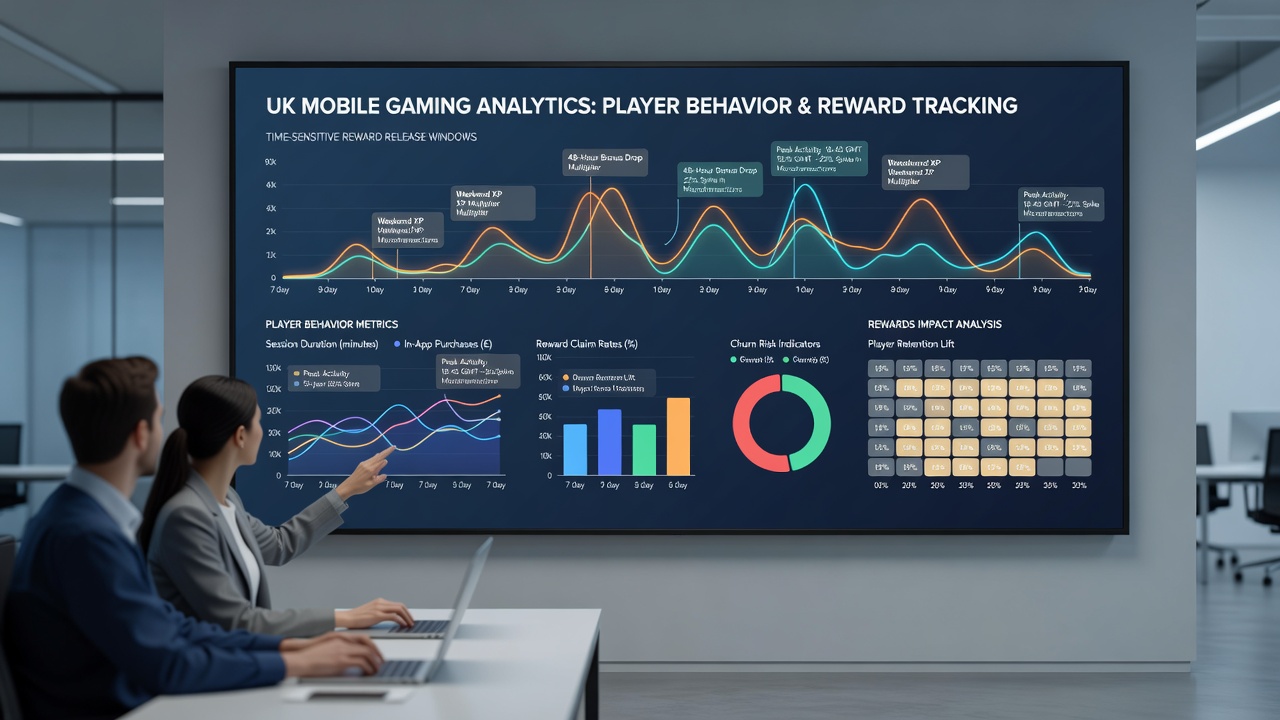
What's notable is the role of A/B testing frameworks that split user cohorts to compare immediate versus delayed reward drops, and results feed directly into machine learning pipelines for future optimization. Data indicates that players who engage within the first hour of a release window tend to extend their sessions by measurable margins, prompting operators to calibrate expiration periods accordingly.
Regulatory and Technical Considerations
UK-based developers must navigate data minimization principles while maintaining metric granularity, and this balance influences how long interaction histories remain stored before anonymization. External benchmarks from the Australian Communications and Media Authority highlight similar approaches in other jurisdictions where real-time dashboards inform compliance reporting on user protection measures. Technical stacks commonly feature tools like Google Analytics for Firebase or custom telemetry layers that export aggregated statistics to secure repositories.
Those who manage these systems often cross-validate findings against external benchmarks, and one documented case involved a studio that adjusted its reward cadence after reviewing cohort data from multiple quarters. Such adjustments occur without altering core game mechanics, focusing instead on the temporal distribution of incentives.
Observed Patterns Across User Segments
Analysis shows distinct behaviors between casual and dedicated players, with the former responding more to short-duration offers and the latter favoring extended collection periods. Metrics track these differences through funnel visualizations that map progression from notification receipt to reward activation. Researchers at various academic institutions have published studies on these dynamics in mobile environments, noting that regional time zones within the UK produce subtle shifts in peak activity that operators account for during rollout planning.
Linkages between consecutive reward cycles also appear in the datasets, where missing one deadline sometimes predicts lower participation in the next, and teams use this insight to introduce reminder sequences calibrated to individual histories. The process relies on event-driven architectures that trigger metric updates in real time rather than batch processing alone.
Conclusion
Tracking player behavior metrics for time-sensitive rewards in UK mobile gaming apps relies on integrated data pipelines, segmented analysis, and adaptive scheduling informed by empirical patterns. As platforms prepare for August 2026 updates to consent frameworks, the emphasis remains on accurate measurement and compliant data handling to support effective reward distribution across diverse user bases.