How Device Preferences Shape Reward Distribution Patterns in Regulated British Slot Environments
Otto Günther · Aug 26, 2026
How Device Preferences Shape Reward Distribution Patterns in Regulated British Slot Environments
Data collected through August 2026 indicates that device preferences among players have become a key factor in how operators distribute rewards within regulated British slot environments, and this pattern emerges because mobile sessions now dominate overall engagement metrics while desktop and tablet usage follows distinct rhythms that affect bonus allocation formulas.
Mobile Dominance and Reward Frequency Adjustments
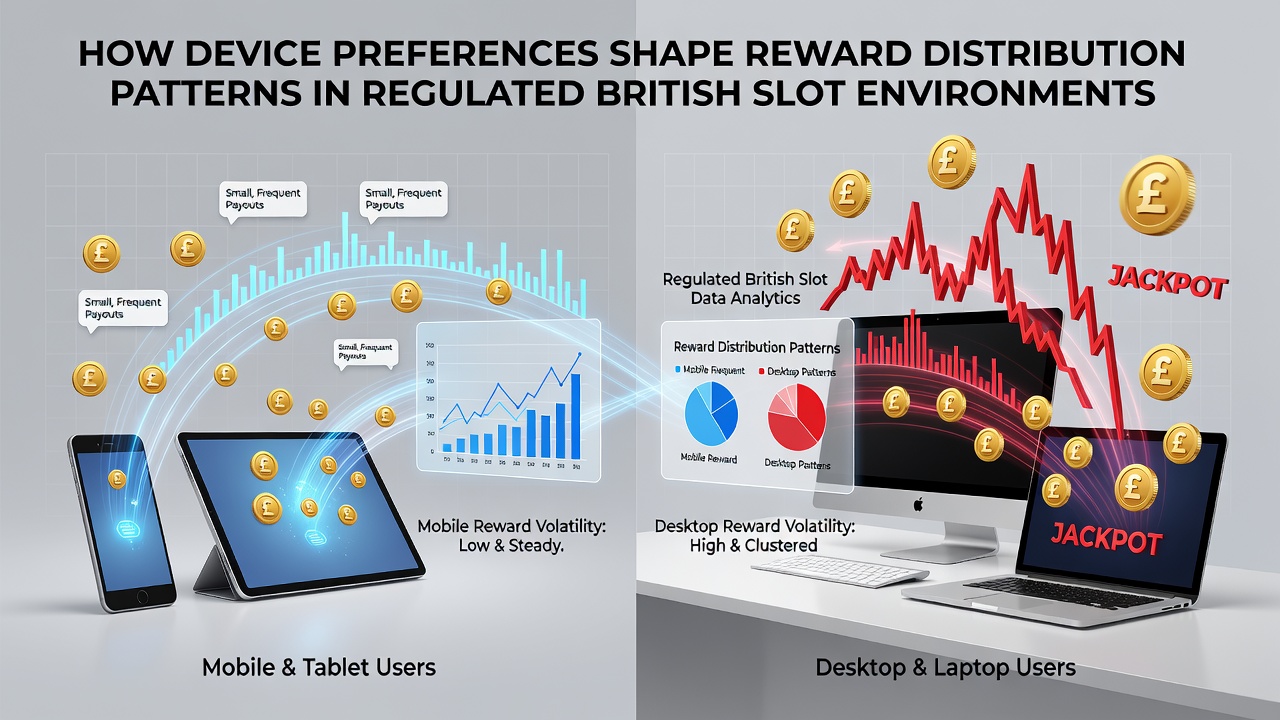
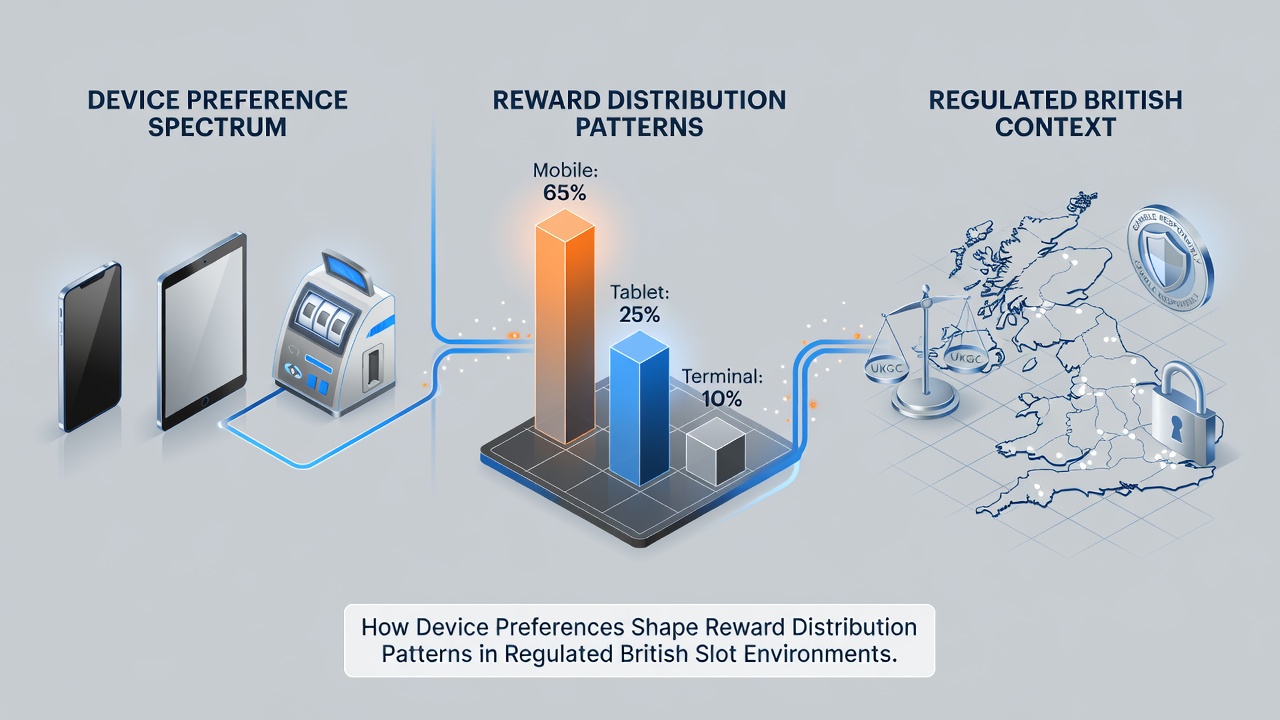
Researchers tracking player behavior across licensed platforms have noted that mobile devices account for over seventy percent of slot sessions, and this concentration leads operators to calibrate reward structures with smaller but more frequent incentives that align with shorter session lengths typical on smartphones. Studies from the Victorian Responsible Gambling Foundation reveal that these adjustments help maintain compliance benchmarks because mobile interfaces allow for real-time tracking of play duration and spend thresholds, whereas the same reward models applied uniformly across devices would risk uneven distribution that fails regulatory audits.
Platform-specific algorithms often trigger instant spin credits or cashback on mobile after fewer qualifying bets compared to other formats, and observers note this stems from the higher volume of micro-sessions that mobile users complete during commutes or breaks. Evidence from multiple operator reports shows that such patterns increase retention without exceeding promotional caps set by licensing conditions.
Desktop and Tablet Patterns in Reward Allocation
Desktop users tend to engage in longer, more deliberate sessions according to aggregated telemetry, and this behavior prompts operators to channel larger cumulative rewards such as bonus rounds or loyalty multipliers toward those platforms to balance overall distribution. Tablet preferences occupy a middle ground where hybrid session styles result in reward packages that blend elements of both mobile and desktop approaches, and data indicates these mixed models help stabilize engagement across the full device spectrum.
One analysis of session logs from 2025 into 2026 found that desktop players received proportionally higher value in jackpot contributions and progressive features, while mobile environments emphasized immediate low-value redemptions that match quick-access app functionality. These differences arise because operators must meet fairness criteria that account for varying device capabilities in displaying game outcomes and processing transactions.
Compliance Drivers Behind Device-Based Variations
Regulatory frameworks require operators to demonstrate equitable treatment of players regardless of access method, yet device preferences create natural segmentation that shapes how rewards flow, and this segmentation gets managed through detailed reporting on allocation percentages per platform. Industry data compiled by the University of Sydney's gambling research unit highlights that platforms using device-aware systems achieve better audit outcomes because they can document how mobile-heavy reward streams do not disadvantage users on other devices.
Operators integrate geolocation and device fingerprinting to apply tailored reward triggers, and this technical layer ensures that promotional offers stay within spend-to-reward ratios mandated across the sector. Patterns observed in recent years show mobile rewards skew toward time-limited offers that expire quickly to match app notification cycles, whereas desktop rewards often include extended eligibility windows suited to stationary play.
Emerging Trends Through Mid-2026
By August 2026, cross-device synchronization features had started to influence reward distribution more visibly, and operators began testing unified accounts that carry reward progress across mobile and desktop while still preserving platform-specific bonus types to reflect actual usage data. Figures from European gaming association reports indicate that this evolution reduces discrepancies in reward access and supports broader compliance goals without flattening the distinct patterns tied to each device category.
Those monitoring the sector point out that tablet usage remains a smaller but stable segment where reward structures favor mid-tier bundles that encourage extended play without the rapid cycling seen on phones. Such adjustments reflect ongoing refinements based on player telemetry rather than arbitrary design choices.
Conclusion
Device preferences continue to guide reward distribution in regulated British slot environments through measurable differences in session behavior and technical capabilities, and these patterns are documented in compliance records and research findings that track platform-specific outcomes. Operators maintain balance by aligning incentives with observed usage while meeting fairness standards, and ongoing data collection through 2026 suggests these dynamics will persist as technology and player habits evolve. The result is a structured system where mobile, desktop, and tablet channels each receive calibrated rewards that reflect their distinct roles in the overall ecosystem.